-

Artificial intelligence, intellectual property, and human rights: mapping the legal landscape in European health systems
Intellectual property (IP) rights and IP-related rights, such as trade secrets and regulatory exclusivities, play a crucial role in the development and deployment of artificial intelligence (AI) technologies. However, possible interactions may be anticipated when comparing the legal relationships formed by these rights with those established by human rights. This study synthesises 53 laws and… Read more
-
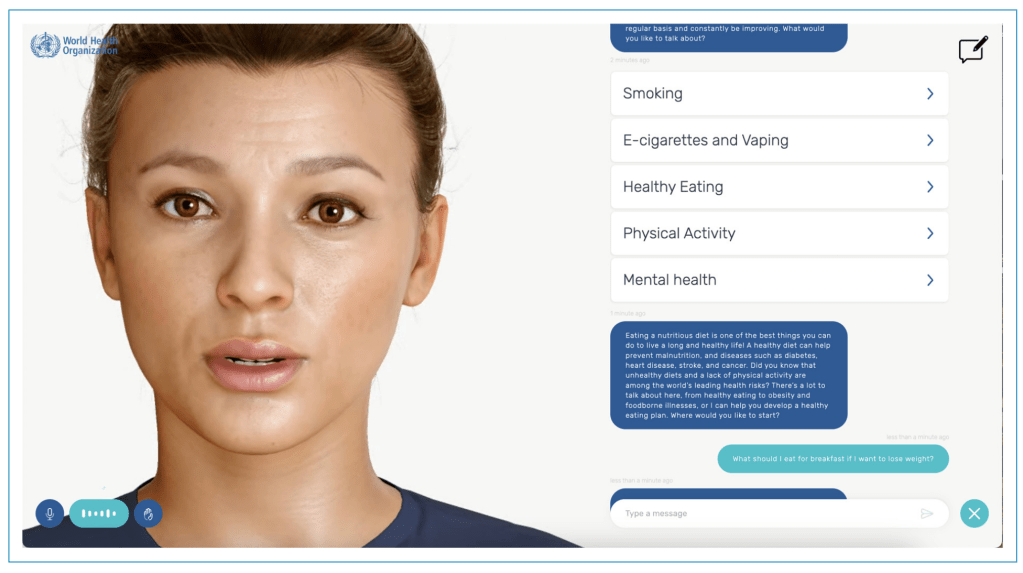
AI Chatbots for Promoting Healthy Habits: Legal, Ethical, and Societal Considerations
Machine learning-based artificial intelligence (AI) chatbots are increasingly used to promote health and encourage individuals to adopt healthier behaviors. Chatbots driven by generative AI (genAI) simulate human interactions through text or voice to generate personalized content with guidance on topics such as smoking cessation, nutrition, managing stress, and sleep improvement. The use of AI chatbots… Read more
-
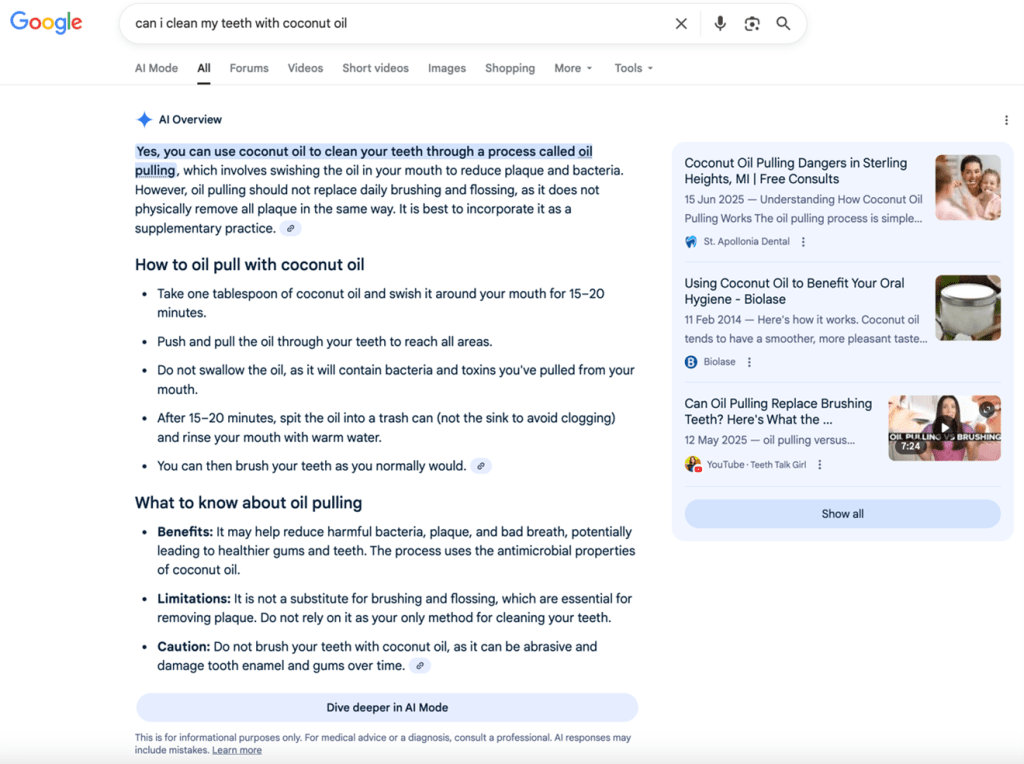
Invisible prescribers: the risks of Google’s AI summaries
With digital technologies, your patients have a ‘doctor in their pocket’. But something new is happening when they search online for medical advice. Typing a question such as “Can I take ibuprofen with blood pressure tablets?” or “What helps against chest pain?” into Google no longer produces the familiar list of links. Instead, a confident,… Read more
-

WHO/Europe launches Technical Advisory Group on Artificial Intelligence for Health
WHO/Europe has formed the Technical Advisory Group on Artificial Intelligence for Health (TAG-AI) to guide the ethical, responsible and equitable use of AI in health across the WHO European Region. The group will serve as an advisory body to the WHO Regional Director for Europe for an initial period of 2 years under the second… Read more
-

Addictive Algorithms and the Digital Fairness Act: A New Chapter in EU Public Health Policy?
Picture a typical teenager waking up. Before even getting out of bed, they’ve already scrolled through TikTok, checked Instagram, and responded to Snapchat notifications. Each swipe delivers content fine-tuned by algorithms designed to maximize attention and engagement. Autoplay keeps the feed going. Notifications prompt more interaction. Autoplay keeps content flowing. Sleep, focus, and mental health… Read more
-

Period Tracking Apps and Consumer Protections
Last week, reports emerged in the UK of concerned public health experts calling for public alternatives to commercial period tracking apps. Their research shows that women’s personal data is at great risk. More and more people who menstruate make use of period tracking apps, also referred to as ‘cycle tracking apps’ (CTAs). The European market for these… Read more

 Hannah van Kolfschooten