-

Accounting for EU external effects: from clinical trials to data colonialism to AI ethics dumping
Against a backdrop of rapidly expanding health artificial intelligence (AI) development, this paper examines how the European Union’s (EU) stringent digital regulations may incentivise the outsourcing of personal health data collection to low- and middle-income countries (LMICs), fuelling a new form of AI ethics dumping. Drawing on parallels with the historical offshoring of clinical trials, Read more
-

Artificial Intelligence in Radiology: Safeguarding Patients’ Rights in the Digital Era
Please cite as: Hannah van Kolfschooten, ‘Artificial Intelligence in Radiology: Safeguarding Patients’ Rights in the Digital Era’, European Radiology 2026. Artificial intelligence (AI) is now firmly embedded in radiology practice. From automated abnormality detection on chest radiographs to workflow optimisation in triage, AI is increasingly shaping diagnostic processes. Its promise is substantial: improved efficiency, faster Read more
-
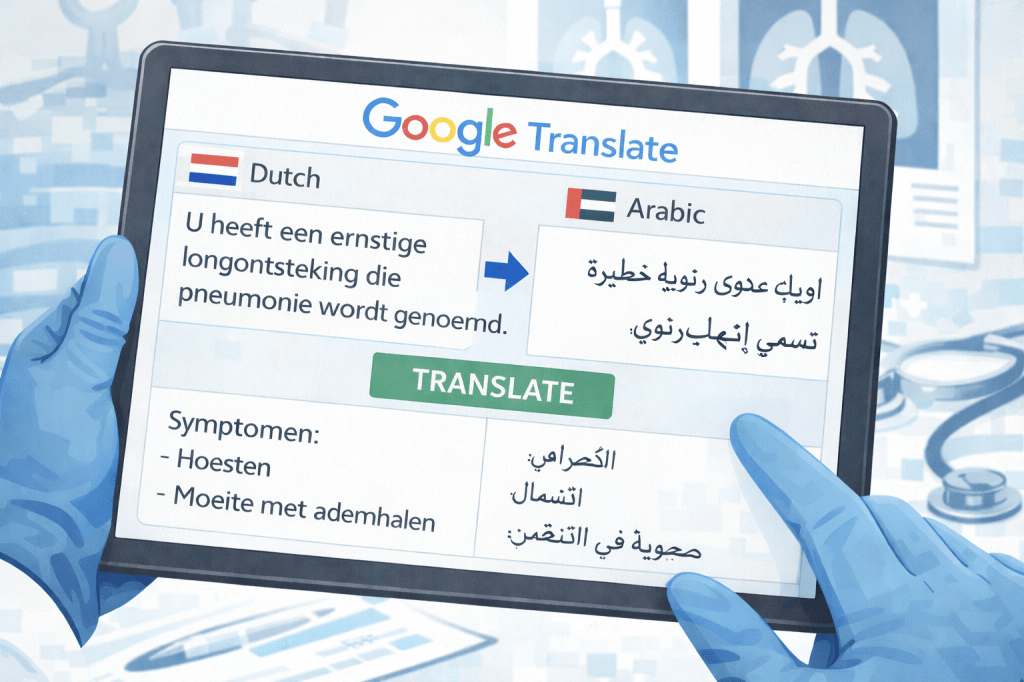
Legal, ethical, and policy challenges of artificial intelligence translation tools in healthcare
Artificial intelligence (AI) translation tools, such as Google Translate and ChatGPT, are increasingly used in healthcare for medical communication to overcome language barriers between patients and providers. While these tools offer accessible and efficient translation, their use raises significant legal, ethical, and policy concerns. Key patients’ rights, including the rights to privacy, informed consent, and Read more
-

AI Medical Devices after the Health Package: Innovation or lack of safeguards for patients?
As someone who has followed the AI Act closely from the very beginning, particularly in the context of healthcare, the European Commission’s new health package immediately raised some questions. Concretely, the Commission proposes to move the Medical Devices Regulation (MDR) and In Vitro Diagnostic Medical Devices Regulation (IVDR) from Section A to Section B in Read more
-

Artificial intelligence, intellectual property, and human rights: mapping the legal landscape in European health systems
Intellectual property (IP) rights and IP-related rights, such as trade secrets and regulatory exclusivities, play a crucial role in the development and deployment of artificial intelligence (AI) technologies. However, possible interactions may be anticipated when comparing the legal relationships formed by these rights with those established by human rights. This study synthesises 53 laws and Read more
-
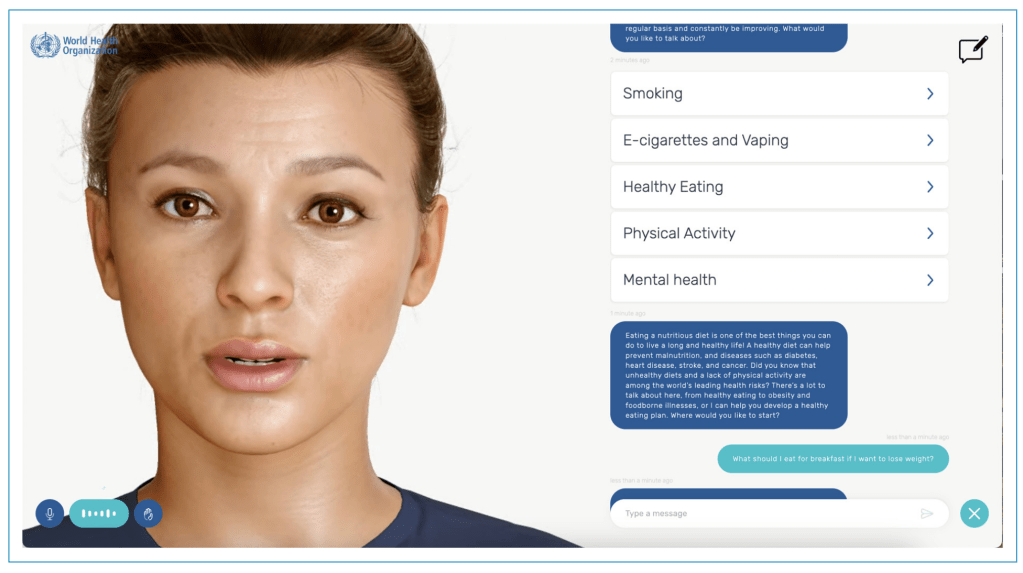
AI Chatbots for Promoting Healthy Habits: Legal, Ethical, and Societal Considerations
Machine learning-based artificial intelligence (AI) chatbots are increasingly used to promote health and encourage individuals to adopt healthier behaviors. Chatbots driven by generative AI (genAI) simulate human interactions through text or voice to generate personalized content with guidance on topics such as smoking cessation, nutrition, managing stress, and sleep improvement. The use of AI chatbots Read more

 Hannah van Kolfschooten