-

The European Health Data Space: give patients real control over their data
Janneke van Oirschot & Hannah van Kolfschooten Give patients real control over their data within the EHDS The aims of the European Commission’s European Health Data Space (EHDS) are twofold: to improve people’s access to, and control over their personal electronic health data in the context of healthcare (primary use) and to better use health… Read more
-
The EU Artificial Intelligence Act (2024): Implications for healthcare
Hannah van Kolfschooten & Janneke van Oirschot. In August 2024, the EU Artificial Intelligence Act (AI Act) entered into force. This legally binding instrument sets rules for the development, the placing on the market, the putting into service, and the use of AI systems in the European Union. As the world’s first extensive legal framework… Read more
-

A health-conformant reading of the GDPR’s right not to be subject to automated decision-making
Abstract As the use of Artificial Intelligence (AI) technologies in healthcare is expanding, patients in the European Union (EU) are increasingly subjected to automated medical decision-making. This development poses challenges to the protection of patients’ rights. A specific patients’ right not to be subject to automated medical decision-making is not considered part of the traditional portfolio of… Read more
-
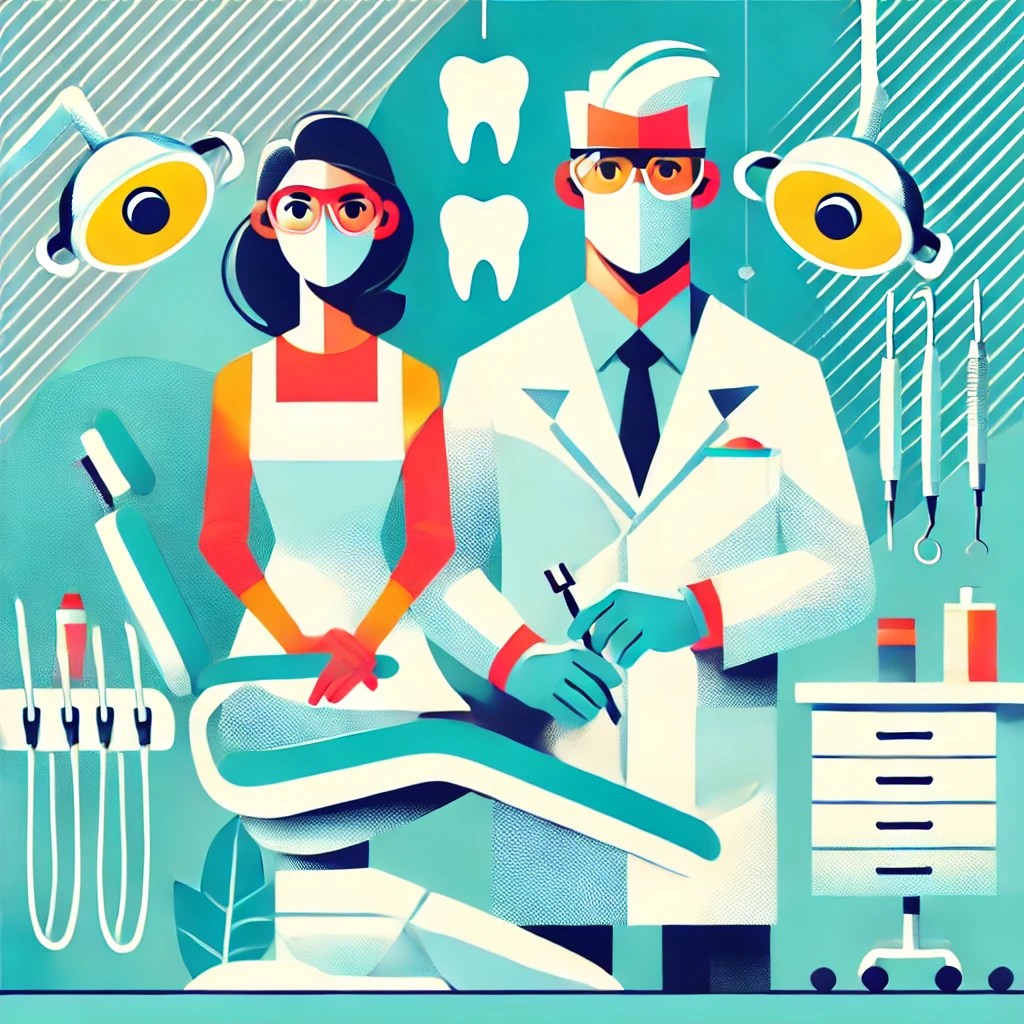
Reinforcing Stereotypes in Health Care Through Artificial Intelligence–Generated Images: A Call for Regulation
Hannah van Kolfschooten & Astrid Pilottin In March 2024, the European Parliament formally adopted the European Union Artificial Intelligence (AI) Act (EU AI Act), establishing harmonized rules on AI systems placed on the European market. It is the first legal framework to regulate Generative AI (GenAI). Generative AI deploys machine learning techniques based on user… Read more
-
A Human Rights-Based Approach to Artificial Intelligence in Healthcare: A Proposal for A Patients’ Rights Impact Assessment Tool
Europe is ageing and the health workforce crisis puts the quality and availability of healthcare at risk, especially in elderly care. Artificial Intelligence (AI) solutions may alleviate the health workforce crisis and contribute to the highest attainable standard of physical and mental health for all in an ageing Europe. At the same time, however, these… Read more
-

The prospects of using AI in euthanasia and physician-assisted suicide: a legal exploration
The Netherlands was the first country to legalize euthanasia and physician-assisted suicide. This paper offers a first legal perspective on the prospects of using AI in the Dutch practice of euthanasia and physician-assisted suicide. It responds to the Regional Euthanasia Review Committees’ interest in exploring technological solutions to improve current procedures. The specific characteristics of… Read more

 Hannah van Kolfschooten