
Category: Digital Health Law
-
Mental Health Europe report: Artificial Intelligence in mental healthcare

This study explores the opportunities, risks, and ethical considerations surrounding the use of artificial intelligence (AI) systems in mental healthcare and provides recommendations for their responsible implementation and regulation. Healthcare forms one of the most popular sectors for AI deployment in the EU. In mental healthcare, AI systems are used…
-
Towards an EU Charter of Digital Patients’ Rights in the Age of Artificial Intelligence

Abstract The rapid advancement of digital health innovation, including Artificial Intelligence (AI), is transforming healthcare. The growing role the European Union (EU) plays in regulating the use of AI in healthcare renders national laws insufficient to safeguard patients from unique AI-related risks. This underscores the urgent need for the recognition…
-
When people become data points – the potential impact of AI in mental healthcare

Hannah van Kolfschooten & Janneke van Oirschot Introduction Artificial intelligence (AI) holds great promise for transforming mental healthcare. From personalized treatment plans to early detection of mental health conditions, AI could make mental health services more accessible and effective. AI systems are already being developed for various applications, including diagnostic…
-
The European Health Data Space: give patients real control over their data

Janneke van Oirschot & Hannah van Kolfschooten Give patients real control over their data within the EHDS The aims of the European Commission’s European Health Data Space (EHDS) are twofold: to improve people’s access to, and control over their personal electronic health data in the context of healthcare (primary use)…
-
The EU Artificial Intelligence Act (2024): Implications for healthcare

Hannah van Kolfschooten & Janneke van Oirschot. In August 2024, the EU Artificial Intelligence Act (AI Act) entered into force. This legally binding instrument sets rules for the development, the placing on the market, the putting into service, and the use of AI systems in the European Union. As the…
-
A health-conformant reading of the GDPR’s right not to be subject to automated decision-making

Abstract As the use of Artificial Intelligence (AI) technologies in healthcare is expanding, patients in the European Union (EU) are increasingly subjected to automated medical decision-making. This development poses challenges to the protection of patients’ rights. A specific patients’ right not to be subject to automated medical decision-making is not considered part…
-
Reinforcing Stereotypes in Health Care Through Artificial Intelligence–Generated Images: A Call for Regulation
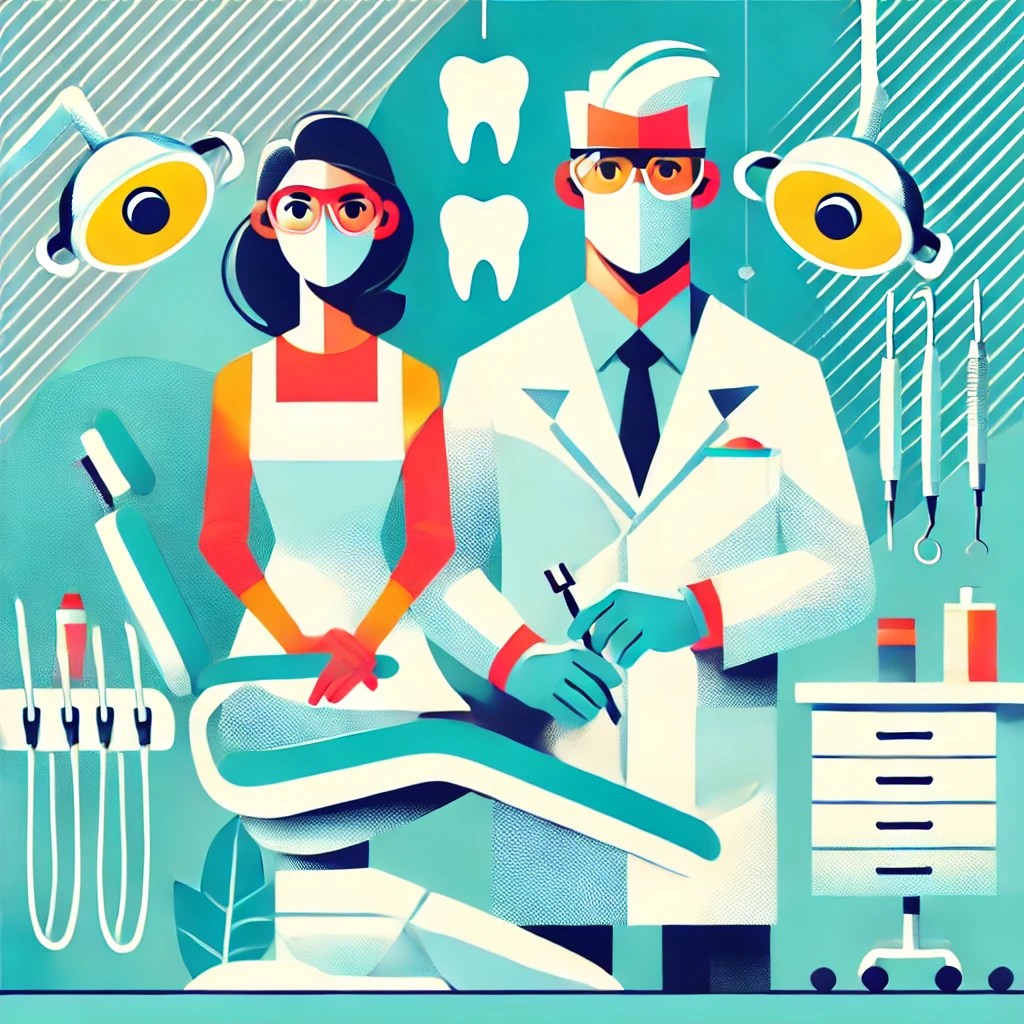
Hannah van Kolfschooten & Astrid Pilottin In March 2024, the European Parliament formally adopted the European Union Artificial Intelligence (AI) Act (EU AI Act), establishing harmonized rules on AI systems placed on the European market. It is the first legal framework to regulate Generative AI (GenAI). Generative AI deploys machine…
-
A Human Rights-Based Approach to Artificial Intelligence in Healthcare: A Proposal for A Patients’ Rights Impact Assessment Tool

Europe is ageing and the health workforce crisis puts the quality and availability of healthcare at risk, especially in elderly care. Artificial Intelligence (AI) solutions may alleviate the health workforce crisis and contribute to the highest attainable standard of physical and mental health for all in an ageing Europe. At…
-
The prospects of using AI in euthanasia and physician-assisted suicide: a legal exploration

The Netherlands was the first country to legalize euthanasia and physician-assisted suicide. This paper offers a first legal perspective on the prospects of using AI in the Dutch practice of euthanasia and physician-assisted suicide. It responds to the Regional Euthanasia Review Committees’ interest in exploring technological solutions to improve current…
-
The AI cycle of health inequity and digital ageism: mitigating biases through the EU regulatory framework on medical devices

The use of Artificial Intelligence (AI) medical devices is rapidly growing.Although AI may benefitthe quality and safety of healthcare for older adults,it simultaneously introduces new ethical and legal issues. Many AI medical devices exhibit age-related biases. The first part of this paper explainshow ‘digital ageism’ is produced throughout the entire…
-
The Council of Europe’s AI Convention (2023-2024): Promises and Pitfalls for Health Protection

The Council of Europe, Europe’s most important human rights organization, is developing a legally binding instrument for the development, design, and application of AI systems. This “Convention on Artificial Intelligence, Human Rights, Democracy and the Rule of Law” (AI Convention) aims to protect fundamental rights against the harms of AI.…
-
Women’s Health Rights can Guide International Climate Litigation: KlimaSeniorinnen v. Switzerland before the European Court of Human Rights

Hannah van Kolfschooten and Angela Hefti All over the world, individuals are taking governments to court for their role in climate change, or rather, their “climate inaction”. The 2022 Global Trends in Climate Change Litigation Policy Report shows that strategic litigation cases to enforce climate laws and policies have doubled since 2015.…
-
The Council of Europe’s Artificial Intelligence Convention: Implications for Health and Patients

The Council of Europe, the most important international human rights organization on the European continent, currently is drafting a Convention on Artificial Intelligence, Human Rights, Democracy and the Rule of Law (AI Convention). The Convention aims to protect fundamental rights against the harms of Artificial Intelligence (AI), and is expected to become a global leading…
-
Five “Big MedTech” Myths about Medical AI Debunked

Criticism of the European Union’s AI Act by the HealthTech Industry is often based on incorrect assumptions, and is in conflict with health and fundamental rights principles, write Hannah van Kolfschooten, Janneke van Oirschot, and Claudia Nicastro. The European Union’s Artificial Intelligence (AI) Act is a world-first attempt to create comprehensive AI…
-
The EU Medical Devices Regulation and the EU AI Act: A Short Comparison

In April 2021, the European Commission proposed the Artificial Intelligence Act, which is now debated in the EU parliament. The AI Act (AIA) is the EU’s first attempt to create a comprehensive AI regulatory framework and aims to ensure the protection of fundamental rights in this field. AI applications used…
 Hannah van Kolfschooten